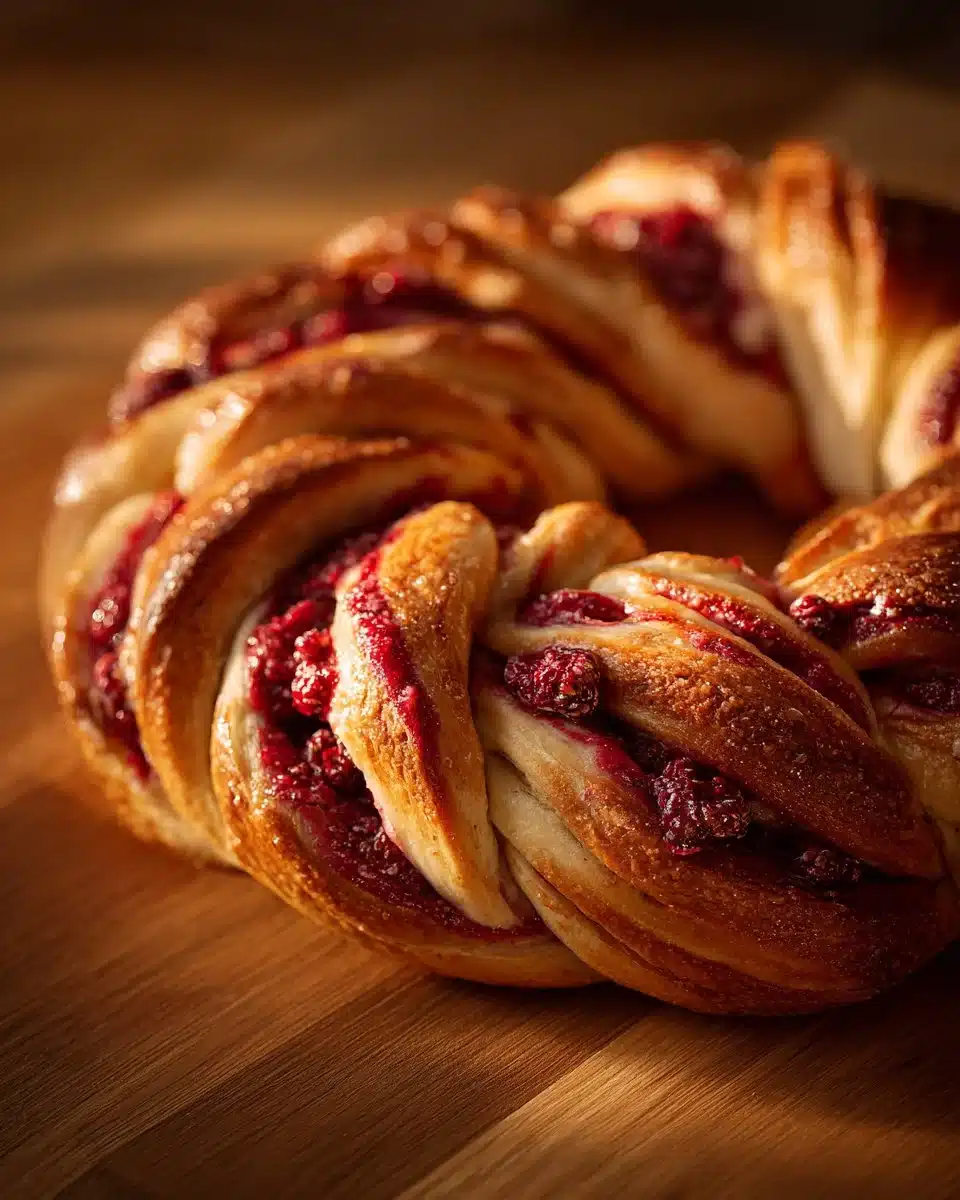

Sourdough discard crescent rolls are the kind of recipe that feels like a cozy weekend morning, warm, flaky, and delightfully simple. If you’ve got extra sourdough discard hanging around and don’t want to waste it, this is one of the best ways to turn it into something golden and irresistible. In this article, we’ll explore how sourdough discard brings flavor and texture to crescent rolls, why these are worth making from scratch, and how to nail that buttery spiral every time. You’ll also find answers to common questions and tips on making them part of your everyday baking routine.
Table of Contents
Table of Contents
Sourdough Discard Crescent Rolls Recipe: 7-Step Soft Roll Success
- Total Time: 1 hour 30 minutes
- Yield: 8 crescent rolls 1x
- Diet: Vegetarian
Description
Flaky, buttery, and full of sourdough flavor, these homemade crescent rolls are a delicious way to use up sourdough discard.
Ingredients
1/2 cup sourdough discard (unfed)
2 cups all-purpose flour
1 tbsp sugar
1/2 tsp salt
1 tsp instant yeast (optional for lighter rolls)
1/2 cup warm milk
1 egg
1/4 cup unsalted butter, softened
Extra butter for brushing
Instructions
1. In a bowl, mix sourdough discard, warm milk, egg, and sugar.
2. Add flour, salt, and softened butter. Stir until combined.
3. Knead dough for 5 to 8 minutes until smooth and slightly tacky.
4. Cover and let rest for 1 hour at room temperature.
5. Roll dough into a 12-inch circle and cut into 8 triangles.
6. Brush each triangle with melted butter, then roll from wide end to tip to shape.
7. Place rolls on lined baking sheet and let rise for 30 minutes.
8. Bake at 375°F (190°C) for 15–18 minutes until golden.
9. Brush with melted butter while warm.
Notes
Optional yeast helps create lighter texture if discard is not very active.
Store cooled rolls in an airtight container up to 3 days or freeze for later.
These rolls are great with savory or sweet fillings.
- Prep Time: 15 minutes
- Cook Time: 18 minutes
- Category: Bread
- Method: Baking
- Cuisine: American
Nutrition
- Serving Size: 1 roll
- Calories: 190
- Sugar: 2g
- Sodium: 210mg
- Fat: 9g
- Saturated Fat: 5g
- Unsaturated Fat: 3g
- Trans Fat: 0g
- Carbohydrates: 23g
- Fiber: 1g
- Protein: 4g
- Cholesterol: 35mg
Keywords: sourdough discard crescent rolls, homemade crescent rolls, discard baking
Why Sourdough Discard Crescent Rolls Deserve a Spot in Your Kitchen
Sourdough Discard Adds Flavor and Reduces Waste
When I first started baking with sourdough, I hated throwing out the discard. It felt wasteful. That’s how these crescent rolls were born, out of curiosity and frugality. Sourdough discard crescent rolls bring a light tang that balances beautifully with the richness of the dough. The discard helps with tenderness, too. You’re not only saving ingredients from the trash; you’re also building deep, nuanced flavor without extra effort. Unlike puff pastry, which relies on heavy layering, these rolls stay soft inside and golden outside thanks to the starter’s acidity and hydration.
These rolls remind me of weekend breakfasts growing up, when my mom made crescent rolls from a can. Today, I make them from scratch with my own twist. Using discard keeps things personal and sustainable. They’re delicious straight out of the oven or even warmed the next day. If you’re already baking sourdough discard garlic rolls or classic sourdough rolls, this recipe will feel familiar but with a buttery upgrade.

Homemade Rolls Offer Flexibility You Can’t Get in a Tube
You don’t need to rely on store-bought dough to enjoy soft, crescent-shaped bread. Homemade sourdough discard crescent rolls can be customized to your taste. Want them flakier? Use cold butter. Want them sweeter? Add a touch of honey. These are perfect with dinner or turned into breakfast sandwiches with eggs and cheese. You can even tuck in fillings like herbed cream cheese or fruit preserves.
The best part? You’re in control of the process and the ingredients. Just like with these sourdough discard kolaches or even cinnamon rolls with discard, you get the satisfaction of transforming discard into something totally craveable.
The Dough Behind the Magic
How to Make Sourdough Discard Dough That’s Soft and Rollable
The beauty of sourdough discard dough is its forgiving nature. Unlike fully fermented dough, discard-based dough doesn’t require long bulk fermentation. It can be mixed, rested, shaped, and baked in the same day. Start by combining your sourdough discard with flour, a little sugar, milk, egg, and softened butter. Knead it just until smooth, then let it rest. This helps gluten develop without overworking it.
Once the dough rests, you’ll notice it’s slightly tacky but manageable. That soft texture is what makes these crescent rolls tender and fluffy after baking. It’s similar to the process I use in my sourdough brioche bread, just simplified for faster results.
The key is balancing moisture with structure. Too dry and they won’t roll well. Too wet and they’ll spread too much. Aim for a dough that feels like soft playdough. If you’ve made sourdough discard pretzels, the texture here will feel comfortably familiar.
Rolling, Cutting, and Shaping Like a Pro
Once your dough has rested, roll it into a circle about 1/4-inch thick. Cut the dough into triangles just like a pizza. Each wedge gets rolled from wide end to tip to create that signature crescent shape. You can make them tight or loose, depending on how airy you want the final texture.
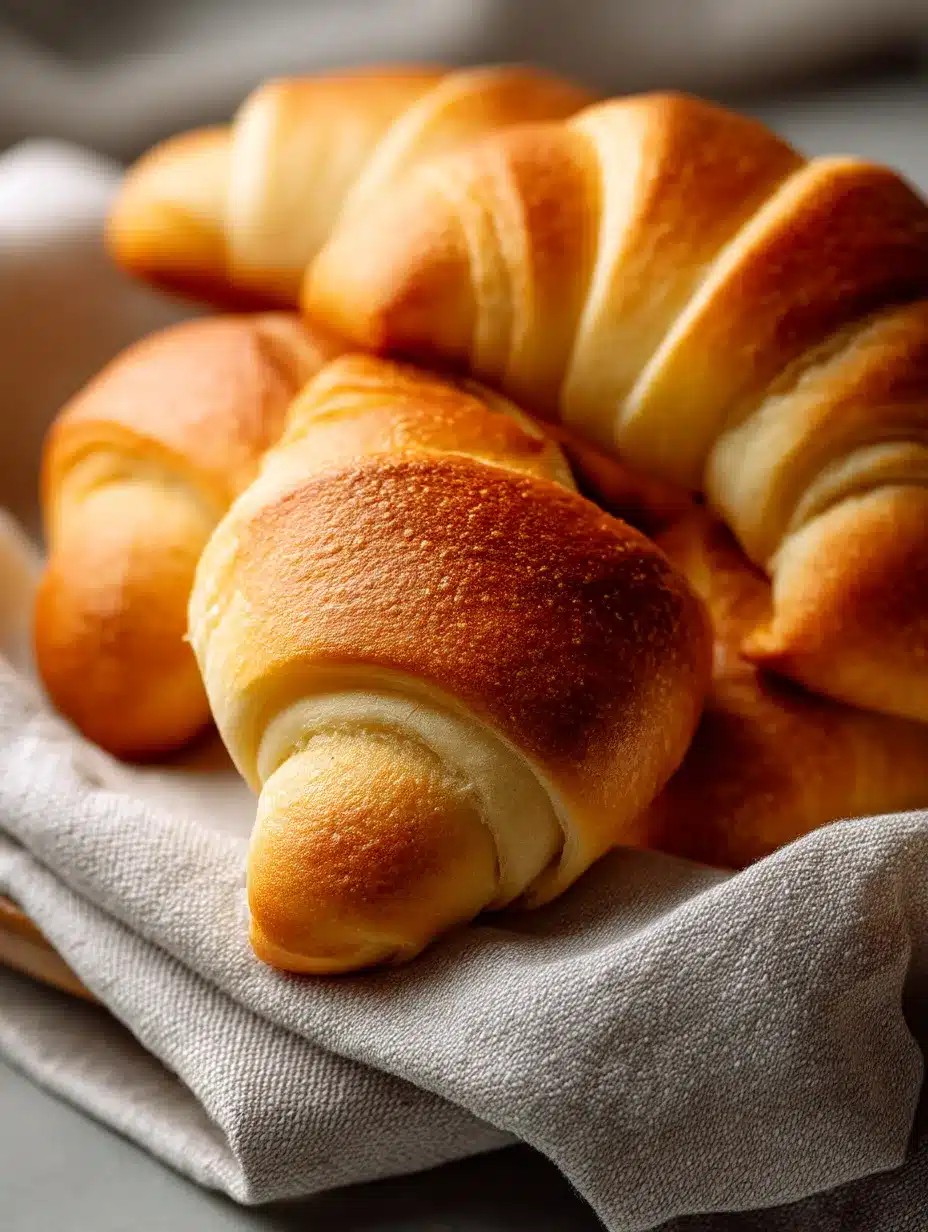
For extra flavor, brush each triangle with melted butter before rolling. Want to add fillings? Sprinkle shredded cheese or chopped herbs before shaping. Then, let the shaped rolls rise until slightly puffy before baking.
This shaping technique also works great with my sourdough croissant loaf and makes the dough versatile for other pastries too. Once baked, they’re golden on the outside, soft on the inside, and layered with that sourdough-enhanced flavor you’ll love.
Are They Actually Healthier?
Sourdough Discard Crescent Rolls vs. Store-Bought Dough
Let’s talk health and ingredients. Compared to store-bought crescent rolls, which often contain additives and hydrogenated oils, homemade sourdough discard crescent rolls are cleaner and more customizable. You’re using basic pantry ingredients like flour, milk, butter, egg, and your discard, which gives you full control over what goes in. That means no preservatives, artificial flavors, or excess sodium.
Sourdough discard adds more than just flavor. It brings a mild fermentation element that can improve digestibility for some people. The acids in the discard begin to break down gluten and phytic acid in flour, helping your body absorb nutrients more efficiently. It won’t turn these rolls into a health food, but they’re a far better option than canned dough.
If you’re already baking smarter with recipes like sourdough discard garlic cheese bread or sourdough discard pretzels, this recipe continues that nourishing trend with a soft, buttery bite.
Is Sourdough Okay for Weight Loss or a Balanced Diet?
Sourdough can be part of a balanced lifestyle, especially when made with whole ingredients and enjoyed in moderation. While crescent rolls are still a bread product with fat and carbs, the natural fermentation helps support gut health and may cause a slower rise in blood sugar compared to refined white bread.
Of course, these aren’t diet food. But if you’re choosing between ultra-processed rolls and these homemade ones, this version wins every time. Plus, they’re satisfying. One or two rolls leave you feeling full and content, not craving more.
You can also modify the recipe slightly for lighter options. Swap in white whole wheat flour or reduce the butter slightly. For a similar wholesome bite, check out my sourdough discard cinnamon rolls which can also be adjusted for sweetness and fat.
FAQs, Tips, and Final Thoughts
What’s the Difference Between Crescent Rolls and Puff Pastry?
While they might look similar, crescent rolls and puff pastry are two very different doughs. Crescent rolls use yeast or sourdough discard for leavening, which gives them a soft, bread-like interior. Puff pastry relies entirely on laminated layers of dough and butter to rise during baking, making it light and flaky. You can’t substitute one for the other in most recipes.
If you’ve worked with buttery doughs before, like my sourdough croissant loaf, you’ll recognize that crescent dough is more relaxed and forgiving. You get the satisfaction of a handmade roll without the time commitment of laminating layers.
Tips for Soft, Golden Crescent Rolls Every Time
For the best results, let your dough rest at room temperature for at least an hour before shaping. This relaxes the gluten and makes rolling easier. Use softened, not melted, butter to keep the dough structured. When baking, start with a hot oven usually 375°F to 400°F to give the rolls a strong rise and golden color.
After baking, brush them with melted butter while still warm. This gives them a soft, rich finish. These tips work beautifully with other soft discard bakes too, like my sourdough discard rolls or garlic-flavored discard rolls, if you’re looking for flavor variations.
FAQs: Sourdough Discard Crescent Rolls
Can I use crescent roll dough instead of puff pastry?
Not really. Crescent roll dough is yeasted and softer, while puff pastry is made with thin layers of fat and dough. They perform differently in baking.
Is sourdough okay for losing weight?
Sourdough may help with digestion and blood sugar control, but it’s still bread. It can fit into a balanced diet when enjoyed in moderation.
What does sourdough discard do for brownies?
Sourdough discard adds moisture, a slight tang, and depth of flavor. It creates a rich texture in brownies without adding extra leavening.
Are sourdough rolls healthier than other rolls?
Sourdough rolls may be easier to digest and have a lower glycemic impact compared to traditional white rolls. They also use fewer additives when homemade.
Final Thoughts
These sourdough discard crescent rolls are warm, flaky, and filled with flavor. They’re a satisfying way to use up discard while creating something that feels special, whether for brunch, dinner, or a holiday table. Once you’ve mastered the method, you can riff on this recipe with sweet or savory fillings, whole grain flours, or even garlic butter twists.
Looking for more ways to use your starter? Try these soft sourdough discard kolaches or the sweet and fluffy sourdough brioche bread.