

Light, crisp, and chewy, there’s something magical about pulling a fresh loaf of French bread from the oven. In my kitchen, the aroma brings back memories of cool Indiana evenings when we paired warm bread with soup or a generous smear of butter. I’ve always loved French bread’s golden crust and pillowy crumb, but it felt wasteful tossing out my sourdough discard every time I fed my starter. That’s when I began testing. Could I make authentic-style French bread using sourdough discard? Yes. And it’s not just possible, it’s delicious.
Table of Contents
Table of Contents
This sourdough discard French bread is more than a no-waste solution. It’s a rustic, flavorful loaf that fits into any meal. You’ll still get that classic French bread crackle, with a subtle sourdough tang that makes every slice feel handmade. Whether you dip it into stew, build sandwiches, or tear off a chunk to enjoy with olive oil, this recipe brings old-world flavor with a practical twist.
Print
Quick Sourdough Discard French Bread: 7 Must-Know Tips
- Total Time: 2 hours 30 minutes
- Yield: 1 large loaf or 2 small loaves 1x
- Diet: Vegetarian
Description
This sourdough discard French bread is crusty on the outside, soft inside, and full of flavor. A perfect way to use discard without waste.
Ingredients
1 cup sourdough discard (unfed, cold or room temp)
1 1/2 cups warm water
2 teaspoons active dry yeast
1 tablespoon sugar
2 teaspoons salt
3 1/2 to 4 cups all-purpose flour
1 tablespoon olive oil (for bowl)
Extra flour for kneading
Instructions
1. In a large bowl, combine warm water, yeast, and sugar. Let sit until foamy.
2. Stir in sourdough discard and salt. Add flour gradually and mix until dough forms.
3. Knead for 8–10 minutes until smooth. Place in a greased bowl, cover, and let rise until doubled.
4. Punch down the dough. Shape into one large loaf or two smaller ones.
5. Place on parchment-lined baking sheet. Let rise again for 30–45 minutes.
6. Preheat oven to 450°F. Slash tops and add steam to oven by pouring water into a hot pan.
7. Bake for 20–25 minutes or until golden and hollow-sounding. Cool on rack before slicing.
Notes
Use discard that smells pleasantly sour but not spoiled.
Add herbs or garlic powder to flavor the dough.
Store wrapped in a towel at room temperature for up to 2 days.
- Prep Time: 25 minutes
- Cook Time: 25 minutes
- Category: Baking, Sourdough Discard Recipes
- Method: Baking
- Cuisine: French-Inspired
Nutrition
- Serving Size: 1 slice
- Calories: 165
- Sugar: 1g
- Sodium: 210mg
- Fat: 1g
- Saturated Fat: 0g
- Unsaturated Fat: 1g
- Trans Fat: 0g
- Carbohydrates: 34g
- Fiber: 1g
- Protein: 5g
- Cholesterol: 0mg
Keywords: sourdough discard French bread, discard bread recipe, easy crusty bread
You’ll learn how to make a loaf using discard, how it differs from traditional French bread, what mistakes to avoid, and how to use up extra discard in other recipes. If you’ve baked sourdough discard rolls or crescent rolls, you’ll feel right at home here. Let’s bring that leftover starter to life, one crusty loaf at a time.
The Flavor and Function of Sourdough Discard in Bread
Sourdough discard brings something special to French bread. While traditional French loaves rely on lean dough with only flour, water, yeast, and salt, using discard adds depth without changing the simplicity. That touch of acidity from the starter boosts the flavor, giving your loaf a mild tang and enhancing the overall structure.
Discard also gives a slight softness to the interior while helping create a crisp, golden crust. The wild yeasts and acids in the discard contribute to a more complex taste, even if you’re still using a small amount of commercial yeast for reliable rise. It’s a simple change that makes a big difference.
Using sourdough discard doesn’t mean the bread turns into a full sourdough loaf. The texture remains light and airy, and the flavor stays balanced. This makes it perfect for anyone who wants to enjoy sourdough notes without waiting for a long fermentation. If you’ve tried my sourdough discard garlic pull-apart bread, you’ve already experienced how discard elevates even simple doughs.
Another benefit? You’re not throwing anything away. That makes this loaf not just delicious but practical. Whether you bake often or only maintain your starter occasionally, having a go-to recipe like this helps you stay consistent and avoid waste.
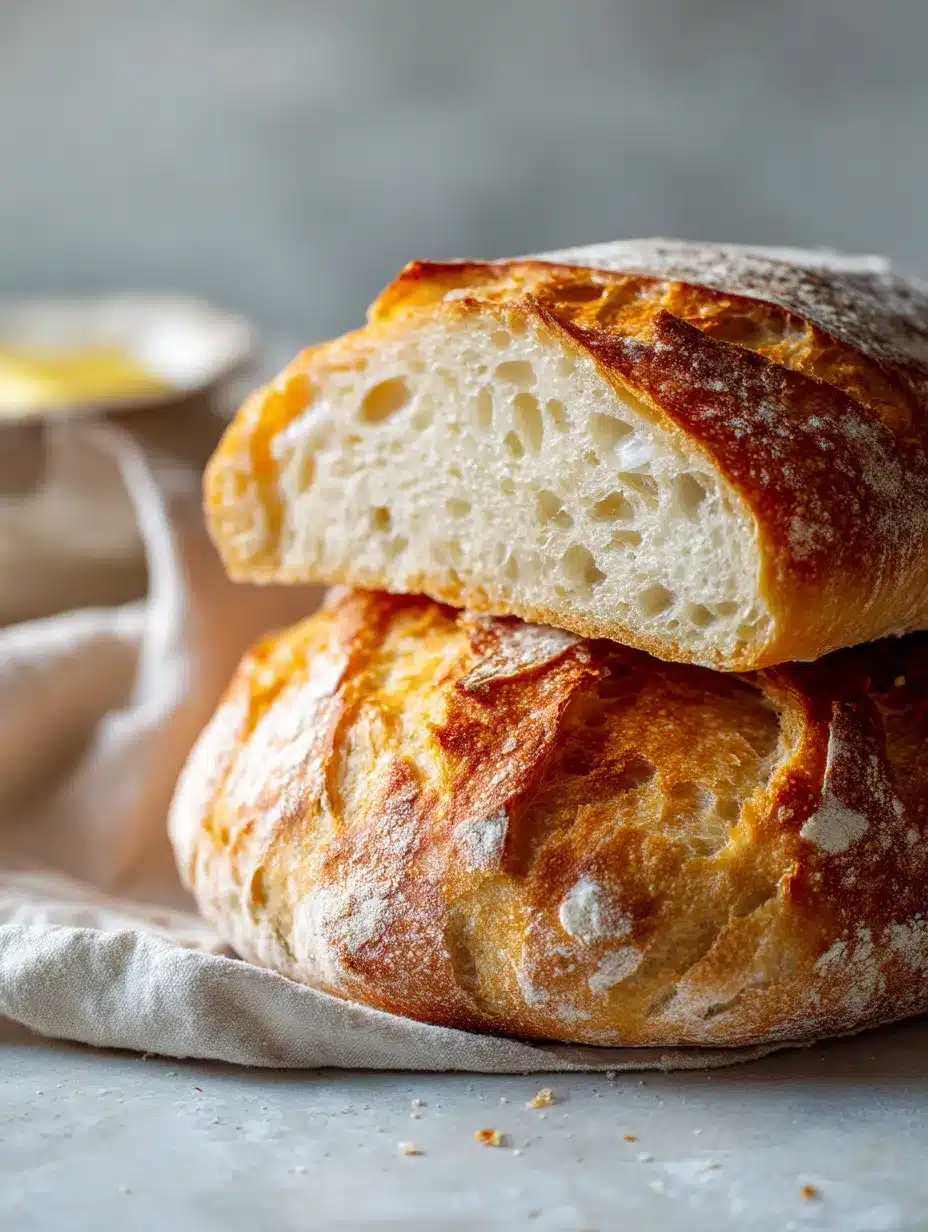
You can even experiment with the amount of discard used, depending on how sour you want the loaf to taste. A smaller amount gives you subtle flavor, while a bit more adds tang and tenderness. The key is balance. And once you taste your first slice of homemade sourdough discard French bread, you’ll see why this recipe has earned a permanent spot in my baking rotation.
How to Mix, Knead, and Rise the Dough
Making sourdough discard French bread starts with a straightforward mixing process. You don’t need a stand mixer, though it helps. In a large bowl, combine warm water, active dry yeast, and a spoonful of sugar. Let it sit for a few minutes until foamy. Add your sourdough discard, olive oil, and salt, then stir in the flour. Start with a wooden spoon, then move to your hands as the dough thickens.
This dough should feel soft but not sticky. Add a little extra flour only if it clings to your fingers. Knead for about 8 to 10 minutes until it becomes smooth and elastic. You can do this on a lightly floured surface or in a mixer with a dough hook. As you work the dough, you’ll notice it becomes stretchy and responsive, a sign the gluten is developing well.
Once kneaded, place the dough in a greased bowl, cover it, and let it rise in a warm spot. It should double in size within one to two hours, depending on your kitchen temperature. You’ll get a gentle aroma from the discard during this step. It’s not overpowering, just enough to remind you something good is happening.
After the first rise, punch the dough down and shape it into a log or two baguette-style loaves. Let them rest again for 30 to 45 minutes while the oven preheats. This second rise gives the loaves their airy texture and lets the flavors settle.
If you’ve worked with soft dough before, like in my sourdough brioche bread, this process will feel familiar. It’s simple, hands-on, and completely doable for beginners or seasoned home bakers.
Baking Techniques and Crust Perfection
A great crust is what sets French bread apart, and with sourdough discard in the mix, you get an even more flavorful finish. Start by preheating your oven to 450°F. A hot oven is essential for a good rise and deep golden color. If you have a baking stone or steel, place it inside during preheat. It helps mimic a bakery oven, but a regular sheet pan works fine too.
To give the bread that classic French crust, steam is key. Just before baking, slash the top of each loaf with a sharp knife or bread lame. This lets steam escape and helps control how the bread expands. Then place a metal pan on the bottom rack and pour in a cup of hot water as you put your bread in the oven. Quickly close the door to trap the steam.
Bake for 20 to 25 minutes, rotating the pan halfway through if needed. The loaves should sound hollow when tapped and look richly golden. If you want an even crisper crust, turn off the oven and crack the door open. Let the bread sit inside for 5 more minutes.
Cool the bread completely on a wire rack before slicing. Cutting too soon can make the crumb gummy. Once cooled, the crust should crackle slightly under your fingers. The inside will be soft, with small air pockets and that signature sourdough aroma.
This method also works well with other discard-based breads. For another crusty favorite, try my blooming sourdough bread, which follows similar techniques but adds a pull-apart twist. Whether you keep it simple or experiment with shapes, the baking process is what transforms the dough into something truly satisfying.
Serving Ideas and Storage Tips
Fresh sourdough discard French bread is one of the most versatile loaves you can bake. Its chewy interior and crisp crust make it ideal for everything from sandwiches to appetizers. Slice it thick and serve with soft butter or dip it into a bowl of warm soup. For something heartier, layer it with roasted vegetables, cheese, or deli meats for a rustic sandwich.
It also works beautifully as the base for garlic bread. Brush slices with olive oil, minced garlic, and herbs, then toast in the oven until golden. Or serve it with olive oil and balsamic vinegar for a simple side. If you’re planning a brunch or holiday meal, this bread pairs well with dishes like sourdough discard snack bread or a sourdough discard breakfast casserole.
To store your loaf, wrap it in a clean kitchen towel and place it in a bread box or paper bag. This helps maintain the crust while keeping the inside soft. Avoid plastic wrap unless you plan to freeze it. If you do, slice the bread first so you can toast individual pieces straight from the freezer.
Sourdough discard bread tends to stay fresh a bit longer than standard white bread thanks to the acids in the discard. Still, it’s best within two days. If it starts to go stale, turn it into croutons or French toast. The crust holds up well to soaking and toasting.
When you find a recipe that’s this flexible and low-waste, it’s easy to come back to it often. Whether you’re baking for yourself or feeding a group, this bread adds warmth and depth to every meal.
Frequently Asked Questions
Can you use sourdough for French bread?
Yes, you can. While traditional French bread uses commercial yeast, adding sourdough discard brings extra flavor and moisture. It doesn’t fully replace yeast in this recipe, but it complements the rise and adds a subtle tang.
Can you make a loaf of bread with sourdough discard?
Absolutely. Sourdough discard can be used in loaves like French bread, sandwich bread, or even enriched loaves. It adds depth of flavor and helps reduce food waste. Try it in recipes like my sourdough discard crescent rolls for another creative use.
When should you not use sourdough discard?
Avoid using discard if it smells unpleasant, has mold, or shows signs of contamination. A slightly sour smell is fine, but anything strong, cheesy, or rotten means it’s time to toss it and feed your starter fresh.
What recipes use a lot of sourdough discard?
Breads, pancakes, crackers, and sweet loaves all use a good amount of discard. This French bread recipe is perfect if you have a full cup to use. You can also try my sourdough discard doughnuts or apple cinnamon sourdough bread when you have plenty of discard ready.
Conclusion
Sourdough discard French bread is more than just a way to reduce waste. It’s a chance to transform leftovers into something golden, flavorful, and satisfying. With its crisp crust and soft center, this loaf holds its own on any table.
Whether you’re dipping it in stew, slicing it for sandwiches, or simply tearing off a piece to enjoy warm from the oven, you’ll taste the difference sourdough brings. It’s a practical recipe that feels special every time.