

why make this recipe
Starting a sourdough starter may sound like a big task, but it’s really a labor of love. At its heart, sourdough starter is a simple mixture of flour and water that captures wild yeast. This magical fermentation process brings amazing flavor and texture to your bread. Plus, making your own starter is a rewarding experience that connects you more deeply to your baking. You can use it for everything from delicious homemade bread to those irresistible sourdough pancakes. And trust me, there’s nothing like the smell of freshly baked bread wafting through your home!
how to make Sourdough Starter
Making a sourdough starter takes some time but is so worth it. Let’s get started on this journey together!
Ingredients:
- Organic Flour (Whole Wheat, Bread Flour or Unbleached All-Purpose)
- Filtered Water
{image_2}
Directions:
Day 1: Mix 1 cup of flour with 3/4 cup of filtered water in a glass or plastic container. Cover it loosely and let it rest for 24 hours.
Day 2: Discard all but 1/2 cup of the starter. Feed it with 1 cup of flour and 1/2 cup of filtered water. Cover again and let it rest for another 24 hours.
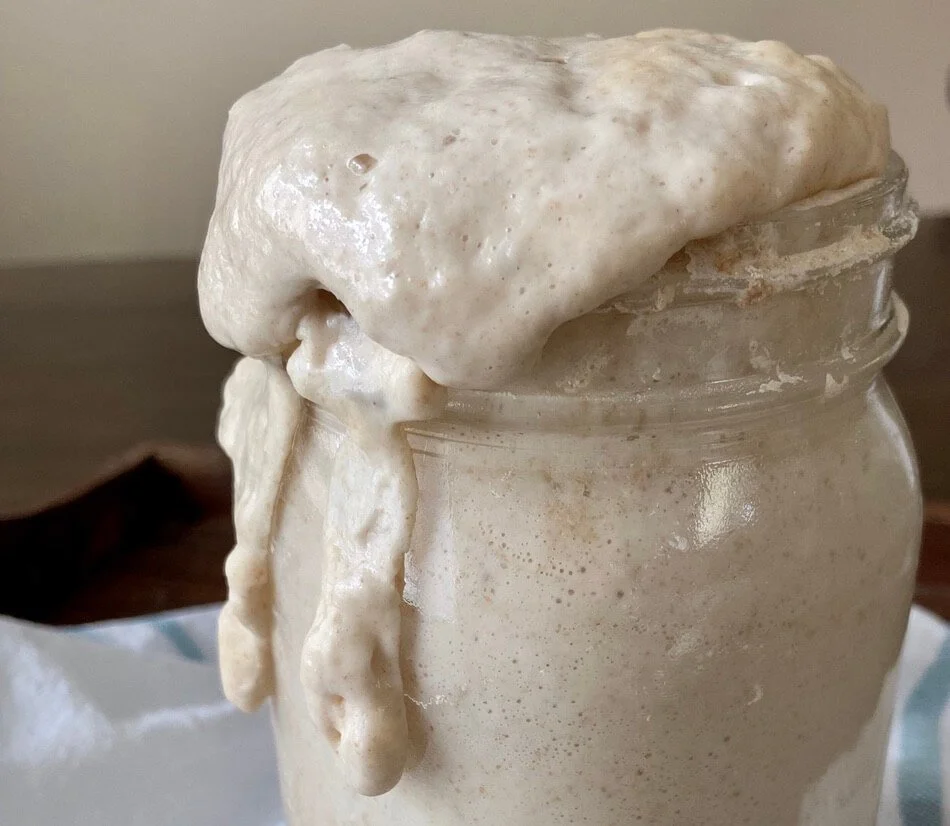
Repeat the steps from Day 2 for days 3, 4, 5, 6, and 7. If at any point your mix seems too thin, adjust the water a bit. You want a thickness like a rich pancake batter.
Day 7: If you see bubbles and the starter passes the float test, you’re ready to bake! If it’s not quite there, keep feeding the starter until it becomes active and bubbly—usually a few more days.
how to serve Sourdough Starter
Once your starter is bubbly and lively, you can use it to make all sorts of baked goods. I especially enjoy using it in my classic sourdough bread recipe. Just remember to set aside some starter whenever you bake, so it can continue living and thriving!
how to store Sourdough Starter
You can store your sourdough starter in the fridge if you don’t plan to use it every day. Just feed it before you pop it in for a cozy rest. When you’re ready to bake again, bring it out, feed it, and allow it to become active at room temperature for several hours.
tips to make Sourdough Starter
- Use an unbleached flour for the best results; it captures wild yeasts better.
- Keep your starter in a warm place, but not too warm—ideally around 70°F to 75°F.
- Consistency matters! Adjust the water to get that thick pancake batter vibe.
- I love keeping my starter alongside a batch of sourdough cinnamon rolls for a delightful treat!
variation (if any)
Feel free to experiment with the types of flour you use! Whole wheat flour adds a lovely depth of flavor, while rye flour can create a stronger starter.
FAQs
What if my starter doesn’t bubble?
No worries! Just keep feeding it. Sometimes it takes a little longer for the wild yeasts to get going, especially in cooler environments.
How do I know my starter is ready to use?
Look for bubbles and a nice rise. The float test is also a great indicator—drop a spoonful of starter in a glass of water. If it floats, it’s ready!
Can I keep my starter for a long time without baking?
Absolutely! Just feed it every week or so if it’s in the fridge. If you have a busy schedule, try some of my sourdough discard recipes to use up any leftovers too!
More recipes? Follow me on Facebook – Pinterest
Print
Sourdough Starter
- Total Time: 7 days
- Yield: 1 cup of starter 1x
- Diet: Vegan
Description
A simple yet rewarding recipe to create your own sourdough starter using just flour and water.
Ingredients
- 1 cup Organic Flour (Whole Wheat, Bread Flour or Unbleached All-Purpose)
- 3/4 cup Filtered Water (for Day 1)
- 1/2 cup Filtered Water (for feeding on subsequent days)
Instructions
- Mix 1 cup of flour with 3/4 cup of filtered water in a glass or plastic container. Cover it loosely and let it rest for 24 hours.
- Discard all but 1/2 cup of the starter. Feed it with 1 cup of flour and 1/2 cup of filtered water. Cover again and let it rest for another 24 hours.
- Repeat the steps from Day 2 for days 3, 4, 5, 6, and 7. Adjust the water if the mix seems too thin.
- Check on Day 7. If you see bubbles and the starter passes the float test, you’re ready to bake!
Notes
Use unbleached flour for the best results as it captures wild yeasts better. Keep your starter in a warm place, ideally around 70°F to 75°F.
- Prep Time: 10 minutes
- Cook Time: 0 minutes
- Category: Baking
- Method: Fermentation
- Cuisine: Global
Nutrition
- Serving Size: 1 serving
- Calories: 100
- Sugar: 0g
- Sodium: 0mg
- Fat: 0g
- Saturated Fat: 0g
- Unsaturated Fat: 0g
- Trans Fat: 0g
- Carbohydrates: 24g
- Fiber: 1g
- Protein: 3g
- Cholesterol: 0mg
Keywords: sourdough starter, homemade bread, fermentation